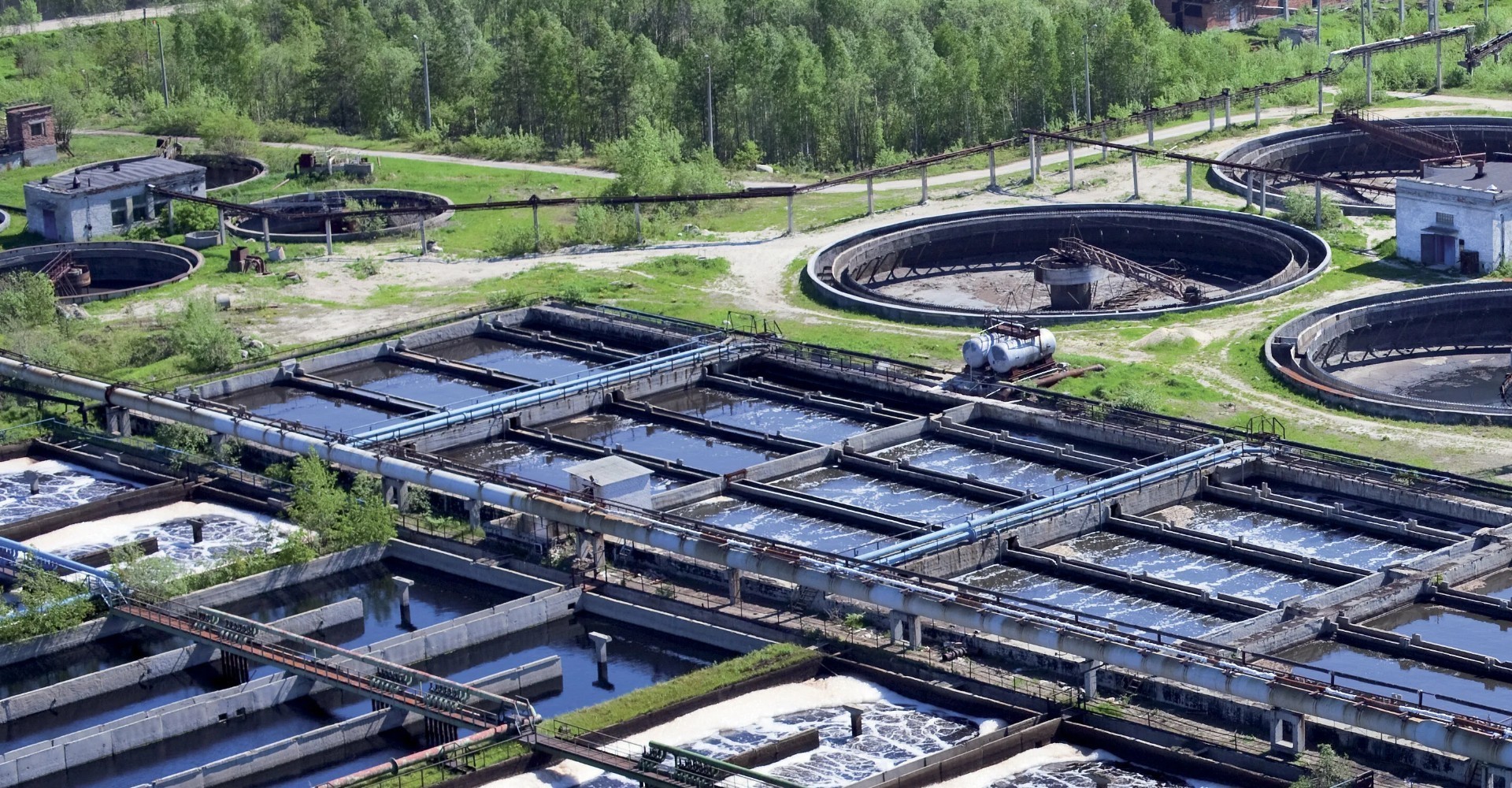
From Heavy Construction to Fast Deployment: The Rise of Modular Water Purification Systems
summary:Integrated ceramic membrane systems replace heavy civil works with modular, fast‑deployment, and smart water treatment—ready when and where you need them.
Water treatment projects have long been linked to lengthy construction cycles, heavy civil works, high costs, and limited flexibility. Yet many real-world needs — rural drinking water, industrial parks, municipal upgrades, emergency supply, and overseas decentralized projects — don’t require massive fixed plants. What customers increasingly need is a faster, more compact, and adaptable solution.
Integrated water treatment equipment is answering this demand and transforming project delivery.
Instead of constructing each process unit separately on-site, integrated systems combine pretreatment, ceramic membrane filtration, backwash, air scouring, dosing, disinfection, control, and auxiliary systems into one complete skid-mounted or containerized module. The result is a factory-prefabricated, movable functional unit that is easier to transport, faster to install, and highly adaptable.
A New Delivery Model for Water Treatment Projects
Traditional water plants rely on extensive civil construction, long approval and execution periods, and fixed layouts. Once built, upgrades or relocation are difficult and expensive.
Integrated equipment takes a fundamentally different approach:
- Prefabricated and fully tested in the factory
- Delivered ready for rapid on-site installation via standardized interfaces
- Significantly reduced civil works and on-site coordination
This shifts water treatment from “heavy construction” to modular, fast-deployment solutions — delivering lower risk, faster commissioning, and greater repeatability for engineering teams and operators.

Core Advantage 1: Shorter Process, Higher Efficiency
A shorter process doesn’t mean compromising treatment quality. It means eliminating unnecessary complexity while integrating essential steps into an efficient, compact layout.
Typical flow: Raw water → Pretreatment → Ceramic membrane ultrafiltration → Backwash/Air scouring → Disinfection → Clean water output.
Key benefits:
- Less civil construction and fewer equipment foundations
- Shorter installation and commissioning time
- Lower project coordination difficulty
- More stable and controllable operation
This advantage is especially powerful for time-critical projects such as emergency water supply, temporary stations, industrial upgrades, and rural drinking water initiatives.
Core Advantage 2: Modular Design for Flexible Configuration
Traditional plants lock in their process once built. Integrated systems are designed like building blocks.
Modules for pretreatment, membrane filtration, dosing, backwash, disinfection, and control can be selected and combined according to source water quality, required capacity, space constraints, and end-use needs.
This “Lego-style” approach enables:
- Easy capacity expansion
- Simplified maintenance and upgrades
- Better customization
- Reduced downtime
It fits perfectly across diverse scenarios while supporting future adaptability.
Core Advantage 3: Easy Transportation and Fast On-Site Installation
Transportation and installation challenges are major pain points — especially for overseas, remote, or space-constrained projects.
Integrated equipment features a compact structure, standardized interfaces, and full factory assembly. This allows efficient shipping, quick positioning, and minimal on-site work (mainly interface connections, power, and commissioning).
Ideal for projects with:
- Limited construction space or resources
- Tight schedules
- Difficult access
- Temporary or relocatable requirements
Intelligent Control Makes Operation Easier

A modern integrated water treatment system is not only a mechanical assembly. It should also be an intelligent operating platform.
Through PLC control, automatic valves, flow meters, pressure monitoring, liquid level control, dosing systems, and backwash programs, the equipment can realize automatic operation and process protection.
- Typical intelligent control functions may include:
- Automatic filtration and backwash switching
- Liquid level interlock protection
- Transmembrane pressure monitoring
- Flow and pressure data monitoring
- Equipment fault alarm
- Remote monitoring interface
- Reduced need for manual operation
For customers, this means the equipment is easier to operate, easier to manage, and more suitable for locations where professional operators are limited.
The Future: Smaller, Faster, Smarter
Integrated water treatment equipment represents more than new hardware — it’s a new project delivery model. It enables less civil construction, shorter cycles, modular flexibility, easier transportation, and intelligent operation.
As global water needs become more decentralized, urgent, and customized, these solutions are becoming the smarter, more resilient choice.
At WECLEAN, we specialize in ceramic flat sheet membrane-based integrated systems for drinking water, industrial water, decentralized supply, and emergency applications.
If you’re dealing with challenging water treatment projects and need compact, modular, fast-deployment solutions, we’d love to help.
Popular Applications
Contact Us
Tel: +860835-3537588
Tel: +86021-34685028
Email: sales@weclean-tech.com
Address: No.4, Binhe East Road, Mingshan District, Ya'an City, Sichuan Province
Address: Room 516, Building C, Yupei International, No.1899, Shenkun Road, Minhang District, Shanghai

Mobile Website
Quick Links