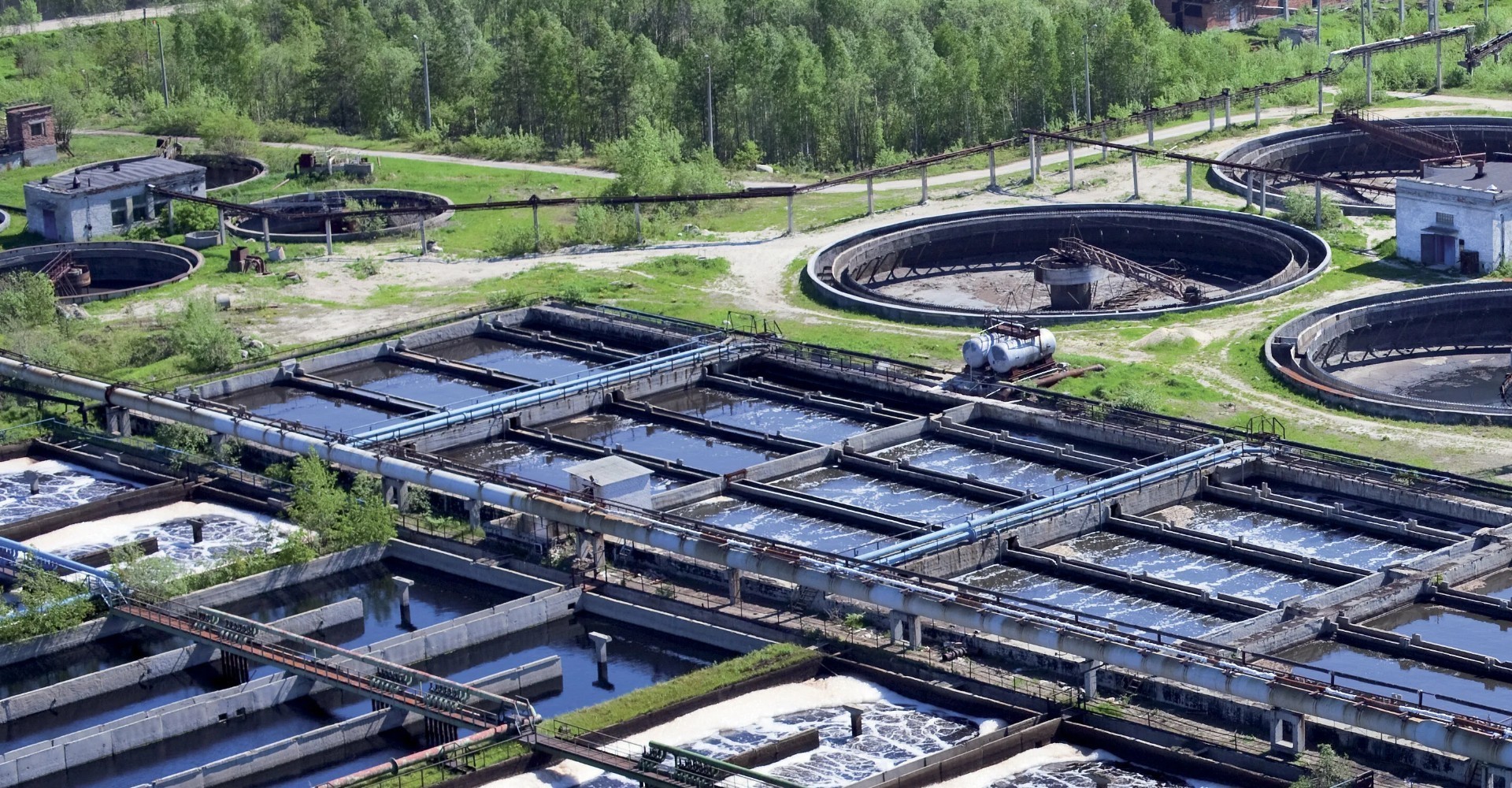
Data Center Cooling: Why Water Treatment Is Becoming an Uptime Essential
summary:Ceramic flat‑sheet membranes turn reclaimed water into a reliable, fouling‑resistant cooling source—helping data centers reduce freshwater use without compromising performance.
AI infrastructure is expanding fast.
But what happens when cooling demand starts competing with freshwater resources?
⚡ Data centers are often judged by power consumption, carbon footprint, and computing efficiency.
But behind every high-performance server cluster, cooling remains a physical challenge — and water is becoming part of that challenge.
💧 The numbers are already making the industry pay attention.
Large-scale data centers can consume significant volumes of water for cooling. From public data, a 1 MW data center may require tens of millions of liters of cooling water per year, while circular water management strategies have been reported to reduce data center water use by up to 75%.
The message is clear:
Data center water management can no longer be treated as a secondary sustainability issue.
♻️ One practical direction is reclaimed water.
Instead of relying only on potable water or freshwater sources, treated municipal wastewater can be further polished and reused as cooling tower makeup water.
This creates a more sustainable water source for data center cooling.
But reclaimed water is not easy water.
It may still contain suspended solids, colloids, organic matter, microorganisms, and fluctuating water quality.
Without a reliable treatment barrier, these risks can lead to:
- Fouling
- Scaling
- Biofilm formation
- Nozzle blockage
- Unstable cooling performance
🛡️ This is where ceramic flat-sheet membrane technology becomes highly relevant.
Data centers do not simply need a cheap filter.
They need a long-term, stable, and failure-resistant water treatment barrier.
Ceramic flat-sheet membranes provide strong physical filtration, high chemical cleaning tolerance, mechanical strength, and long service life.
More importantly, they help turn treated wastewater into reliable industrial cooling water.
For future data centers, water treatment may no longer be just an environmental add-on.
It may become part of uptime protection.
The real question is not only:
How much water does a data center use?
But:
Can we use the right water source — and the right treatment barrier — to make cooling more sustainable and reliable?

Popular Applications
Contact Us
Tel: +860835-3537588
Tel: +86021-34685028
Email: sales@weclean-tech.com
Address: No.4, Binhe East Road, Mingshan District, Ya'an City, Sichuan Province
Address: Room 516, Building C, Yupei International, No.1899, Shenkun Road, Minhang District, Shanghai

Mobile Website
Quick Links